


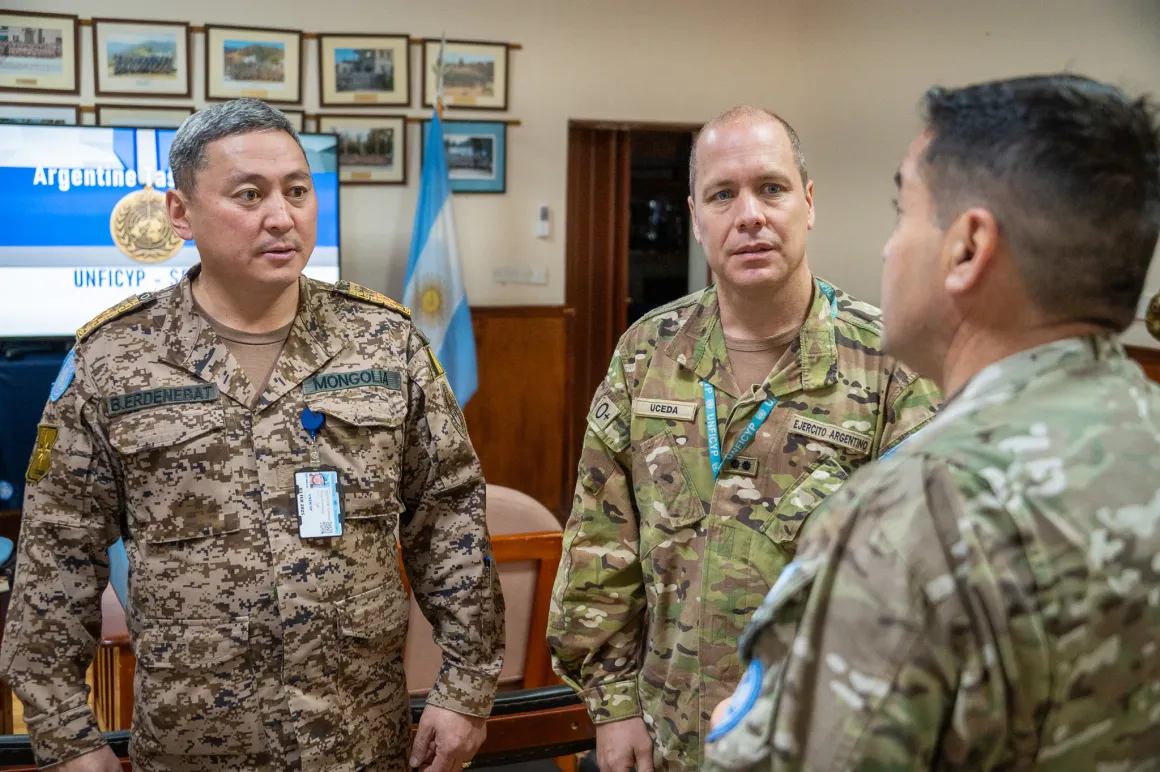
UNFICYP interviewed Force Commander Major General Erdenebat Batsuuri ahead of his departure from Cyprus in January.
As your tenure comes to an end, how would you describe your overall experience commanding UNFICYP?
Commanding UNFICYP has been both challenging and deeply formative. Having previously served in KFOR, Sierra Leone, South Sudan, and UNMISS, I found Cyprus to be a unique mission environment. Here, even minor tactical incidents can rapidly escalate to the strategic and political level, requiring constant judgment, restraint, and awareness of broader implications.
Cyprus is a mission where surface calm often masks deep historical grievances. This shaped my leadership approach, reinforcing the importance of patience, consistency, and dialogue over rapid or forceful action. Effective peacekeeping in Cyprus is less about visible outcomes and more about preventing tensions and preserving trust. I was consistently impressed by the professionalism and quiet dedication of UNFICYP peacekeepers, who operate daily under intense political sensitivity. Close cooperation with civilian partners also deepened my understanding of managing complex buffer zone issues.
Overall, leading UNFICYP has been a humbling experience that strengthened my belief in impartiality, moral courage, and persistence as the foundations of long-standing peacekeeping missions.
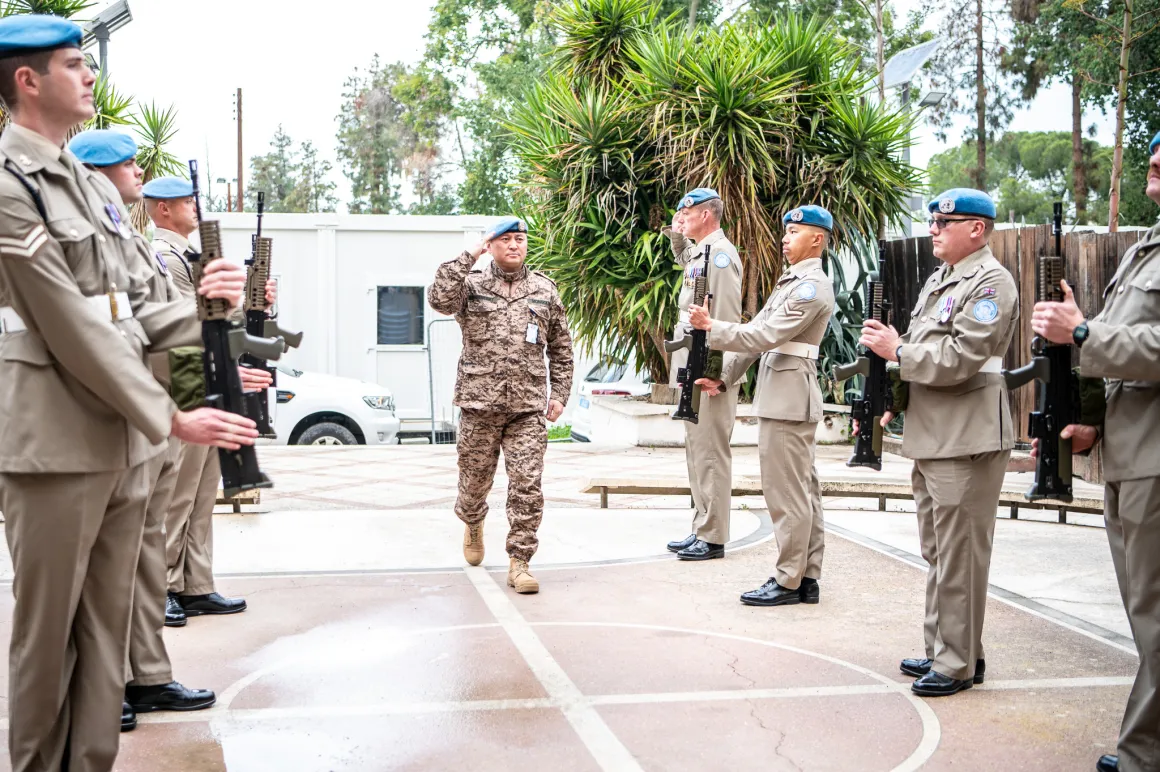
What were the main challenges you faced during your command?
The primary challenges stemmed from political sensitivities, operational constraints, and institutional pressures. A long-standing erosion of trust between the opposing forces complicated incident management. Efforts to establish direct engagement mechanisms were limited by political realities and readiness on both sides. Institutionally, the UN’s liquidity crisis significantly affected the mission. As a small mission, even modest resource reductions have disproportionate operational impacts. Maintaining mandate delivery under increasing financial pressure, while anticipating possible force reductions, required careful prioritisation. Commanding UNFICYP is as much about managing perceptions, expectations, and relationships as it is about military leadership. Sustaining stability in a long-standing conflict demanded patience, professionalism, and consistency.
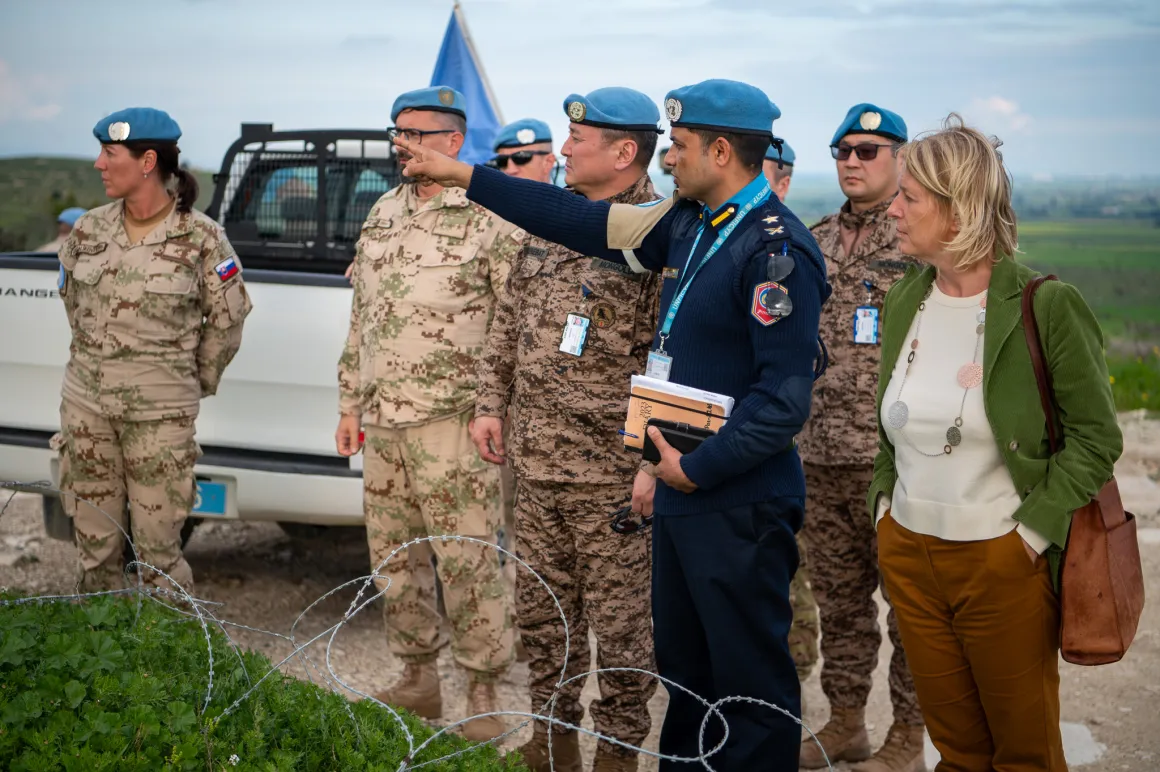
What achievements of the Force stand out during this period?
The Force’s most significant achievement has been the sustained maintenance of stability across the buffer zone. From the outset, I prioritised Key Leader Engagement, recognising that constructive dialogue at all levels is essential. These efforts yielded tangible results. Military violations decreased from over 300 in early 2024 to 149 in the most recent Secretary-General’s report. This reflects improved communication, impartial engagement, and professional conduct. I am also proud of the Force’s ability to prevent escalation through disciplined patrols, liaison, and coordination. Cross-component cooperation between military, police, and civilian elements strengthened situational awareness and response capacity. Women, Peace and Security remained a strategic priority. Gender considerations were integrated across mission activities, including during the asylum seeker situation in the buffer zone, ensuring protection and safety for vulnerable groups. These steady, often unseen achievements are essential in preserving stability and space for dialogue.
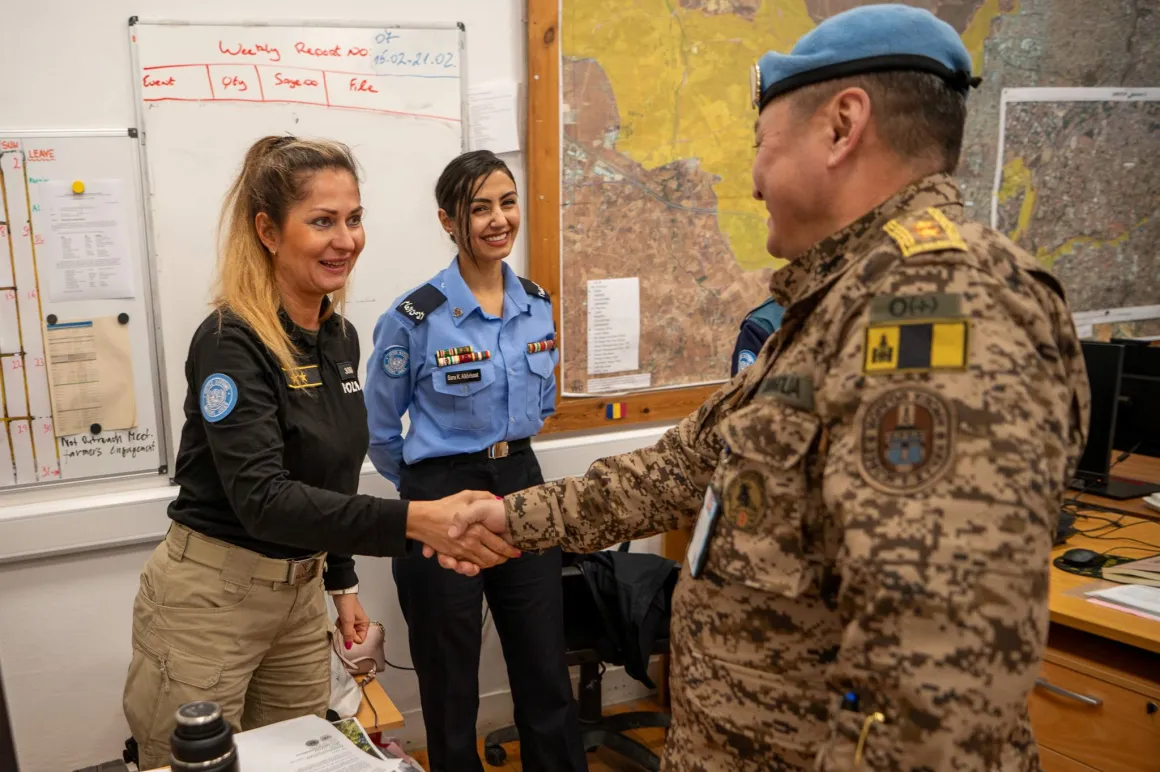
Cyprus has no active fighting but deep sensitivities. How does this shape peacekeeping?
Although Cyprus appears calm, there is no formal ceasefire, and opposing forces operate in close proximity. Even minor mistakes can escalate quickly. This reality requires constant vigilance, strict impartiality, and disciplined restraint. Success in Cyprus is measured not by visible victories but by sustained stability, trust in the mission, and preserved space for political dialogue. Peacekeeping here demands patience, judgment, and moral courage as much as operational expertise.
How important is cooperation with local communities and authorities?
Cooperation with local communities and authorities is essential. Trust is built through consistent, transparent engagement and impartial action. Strong relationships with mayors, mukhtars, and local leaders enabled timely communication and proactive incident management, reinforcing the mission’s credibility.
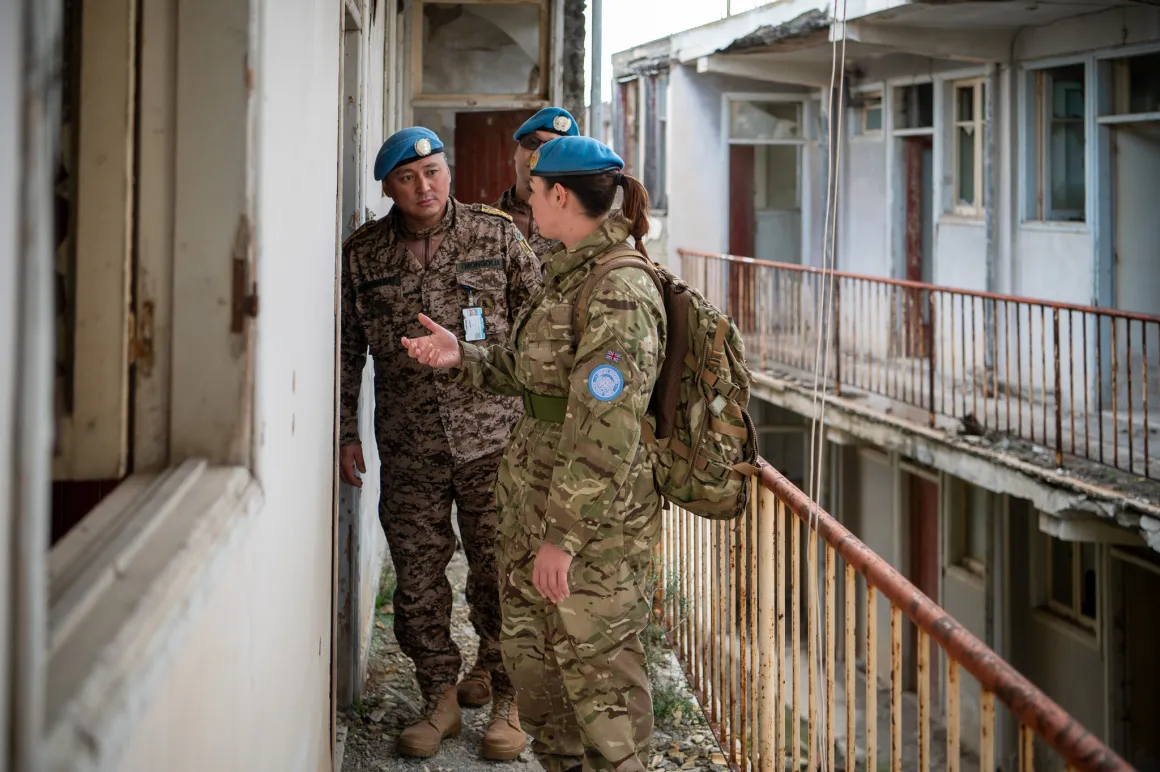
How important is the role of UNFICYP after all these years?
UNFICYP remains vital. Since 1974, the absence of large-scale confrontation reflects the mission’s stabilising presence. Until a comprehensive settlement is achieved, an impartial UN force remains essential. The mission’s work is often quiet, but critical. The loss of 187 lives in pursuit of peace underscores why vigilance and patience remain necessary. UNFICYP sustains security, supports confidence-building, and enables the Secretary-General’s Good Offices to pursue dialogue.
What lessons would you share with future Force Commanders?
Patience, consistency, and restraint are fundamental. Success is measured by incidents prevented and trust preserved. Understanding the political context, learning from experienced colleagues, and maintaining strong Key Leader Engagement are critical. Cross-component integration and impartial decision-making strengthen mandate delivery. Above all, leadership in UNFICYP requires humility, situational awareness, and moral courage.
How would you describe the role of UN peacekeepers in UNFICYP?
UNFICYP peacekeepers serve with professionalism and disciplined restraint. Their daily presence, patrolling, monitoring, and engaging communities, directly contributes to stability. Even small lapses can affect the credibility of the mission and the United Nations. Peacekeepers are not only maintaining security; they are guardians of trust and enablers of long-term peace.
What message would you like to leave for UNFICYP personnel?
I extend my deep gratitude to all personnel for their dedication and professionalism. Your work, even when unseen, is essential. The trust you build and the incidents you prevent define the success of this mission. Continue to serve with patience, impartiality, and respect. Take pride in your role as guardians of peace and stability in Cyprus.
As you depart, what are your hopes for the future of Cyprus?
I hope Cyprus achieves a comprehensive, mutually acceptable settlement founded on dialogue and trust. UNFICYP’s efforts provide a foundation for this process. I remain confident that continued engagement, confidence-building, and commitment to coexistence will allow future generations to live in a peaceful and secure island.


