


In a significant step towards reimagining the peace process in Cyprus, UNFICYP, in partnership with the Cyprus Peace and Dialogue Centre (CPDC) and the Interdisciplinary Centre for Law, Alternative and Innovative Methods (ICLAIM), convened an interactive networking forum at the Ledra Palace Hotel in the buffer zone.
The event, titled “Civic Participation in Peace Processes,” brought together over 120 participants from civil society, academia, and the diplomatic community to explore how every voice on the island can shape a more inclusive future.
The forum centred on a forthcoming joint proposal to update the methodology of the peace process, with a strong emphasis on the potential role of citizens’ assemblies. The vibrant discussion highlighted a collective aspiration to move towards a peace process built by and for all Cypriots.
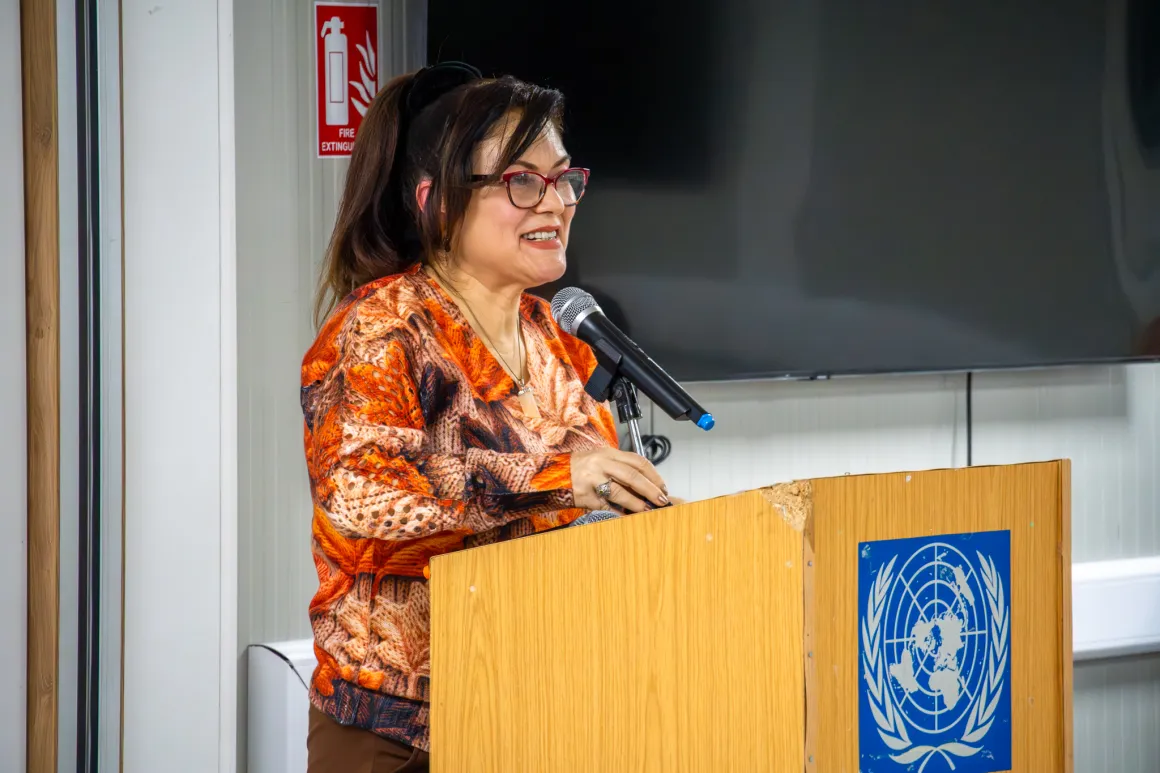
Meltem Onurkan-Samani, Founding President of CPDC, opened the forum by introducing the joint initiative to address the need for a results-oriented peace process methodology. Fiona Mullen, a former UN staff and consultant now working with CPDC, then presented the core proposal for citizen engagement, detailing lessons from piloted mini-assemblies and introducing the Ost-Belgien model as a reference point.
An in-depth analysis of this model was provided by Professor Neophytos Loizides, who explored its mechanics and deadlock-resolving mechanisms, bridging academic expertise with practical mediation insights. The concept of institutional "backstops" or safety nets within peace processes was examined by Professor Erol Kaymak, who contributed crucial perspectives from international relations and track-diplomacy.
The theoretical foundations of deliberative democracy were addressed by Professor Charis Psaltis, who connected frameworks on dialogue, AI, and direct democracy to the local context. This was complemented by the practical experience shared by Professor Stéphanie Laulhé Shaelou, Founding Director of ICLAIM, who detailed her Centre’s hands-on work in alternative and innovative deliberative methods.
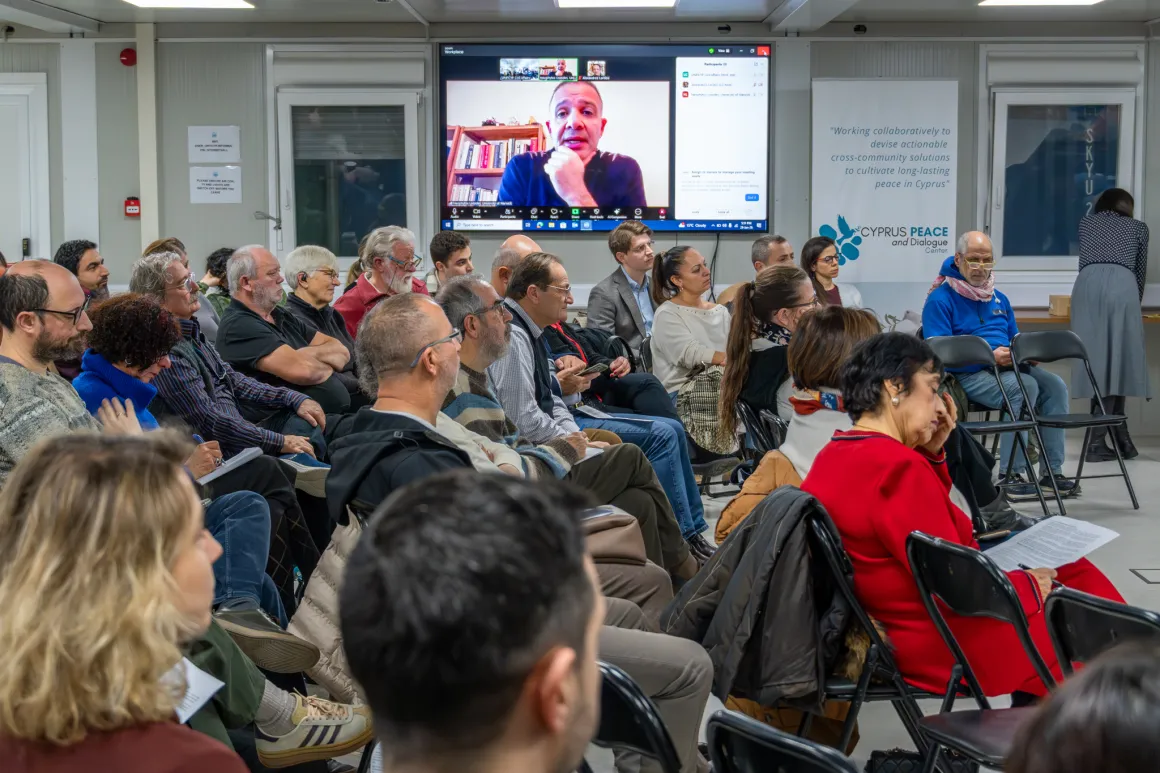
The discussion then turned to specific applications, with Professor Mustafa Besim, an economist at Eastern Mediterranean University, exploring the potential for cross-community economic confidence-building measures as a potential "backstop" for peace. The role of technology in facilitating such democratic deliberations was addressed by Alexandros Lordos, President of SeeD and Assistant Professor, and Alexander Guest, SeeD’s Director of Innovation, who presented the DEMOS platform.
The imperative of meaningful inclusion was underscored by Rena Choplarou, a longstanding peace educator and activist, who spoke on how civil society can be sustainably involved. Finally, the vital specific perspectives on women and youth inclusion were presented by Thekla Kyritsi, directress of the Center for Gender Equality and History (KIIF), and Yaren Müezzin, Project Coordinator for the Women Making Peace project at CPDC.
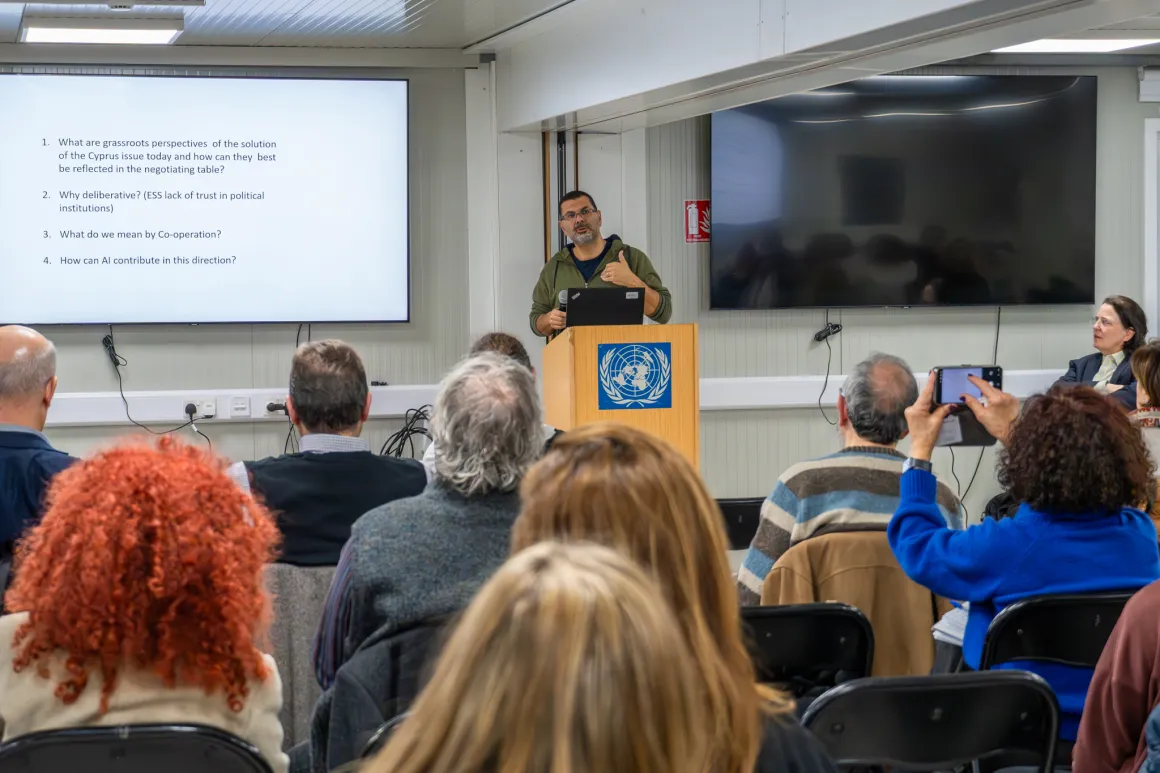
UNFICYP remains committed to supporting all Cypriots in their pursuit of a peaceful and prosperous future. This forum, which is organized monthly covering different topics relevant to Cyprus, energized by the contributions of its diverse speakers and underscored the wealth of expertise within Cypriot society and highlighted innovative, inclusive models that place citizens at the heart of designing their shared future.


